

In an increasingly connected world, accurate location data has become essential for industries ranging from transportation to agriculture. The rise of precision gps innovations shaping the future of navigation is revolutionizing how we interact with the physical world, offering unprecedented accuracy, reliability, and efficiency.
The Evolution of GPS Technology
Global Positioning System (GPS) technology has come a long way since its inception. Early GPS systems provided location data with an accuracy of several meters, which was sufficient for basic navigation. However, modern demands—such as autonomous vehicles, drone deliveries, and precision farming—require centimeter-level accuracy. This demand has fueled Precision GPS innovations shaping the future of navigation, pushing developers to integrate advanced satellite signals, real-time kinematics (RTK), and AI-powered error correction.
Key Innovations Driving Precision
Several breakthroughs are driving the evolution of GPS technology:
- Real-Time Kinematic (RTK) Positioning
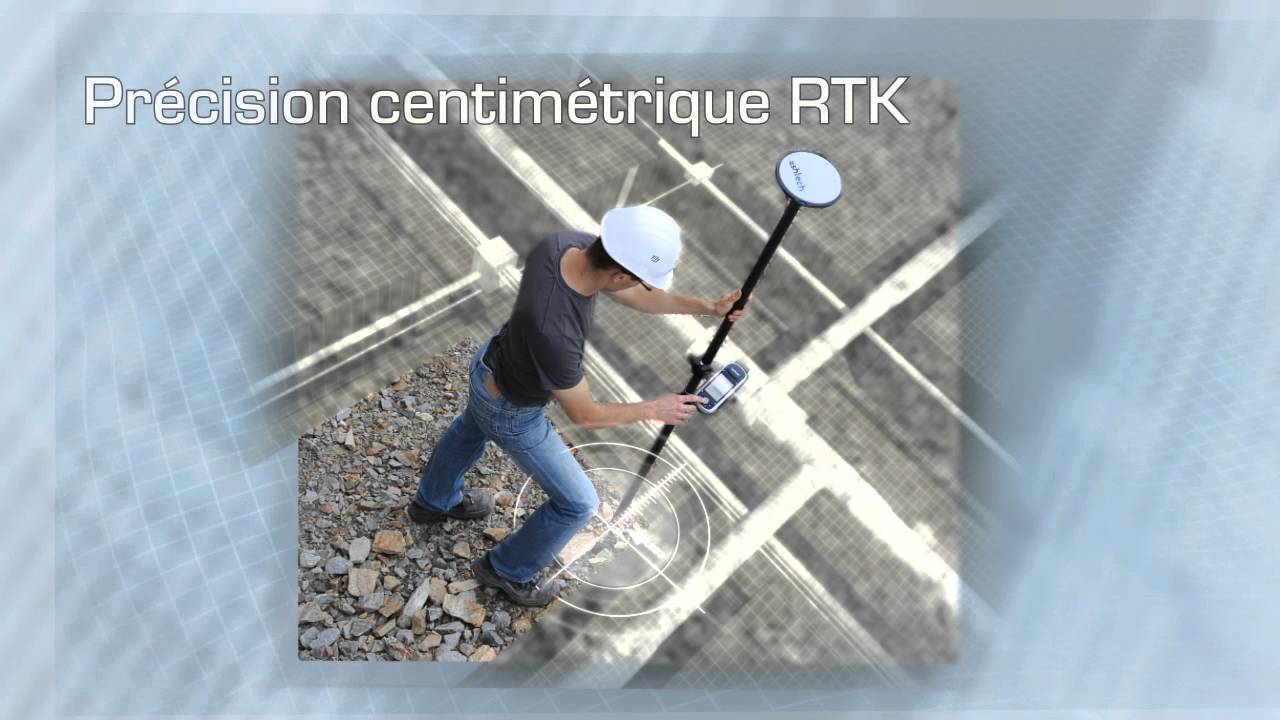
RTK enhances GPS accuracy by using a fixed reference station to correct signals in real-time, achieving centimeter-level precision. This innovation is critical for autonomous vehicles and unmanned aerial systems. - Multi-Constellation GPS
Modern receivers use signals from multiple satellite systems, including GLONASS, Galileo, and BeiDou, increasing reliability and reducing signal errors in challenging environments. - AI and Machine Learning Integration
AI algorithms are being applied to predict and correct signal interference caused by urban landscapes, atmospheric conditions, and other environmental factors, ensuring smooth navigation even in dense cityscapes.
Applications Across Industries
Precision GPS innovations shaping the future of navigation are not limited to personal or commercial vehicles. Industries are harnessing this technology to achieve efficiency and safety:
- Agriculture: Autonomous tractors and crop monitoring systems use precise GPS for optimal planting and resource management.
- Logistics: Fleet management benefits from real-time tracking, route optimization, and improved delivery timelines.
- Emergency Services: First responders rely on highly accurate positioning to reach critical locations faster and coordinate rescue operations more effectively.
The Road Ahead
The future of navigation is being defined by continuous innovations in GPS technology. As devices become smarter and satellite systems more robust, the potential for fully autonomous navigation and hyper-efficient logistics becomes a reality. Precision GPS innovations shaping the future of navigation will continue to redefine how humans and machines interact with space, making navigation safer, faster, and more reliable than ever before.
