

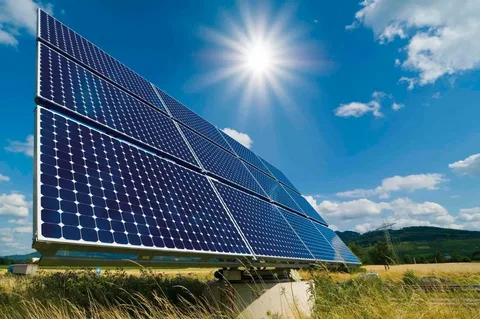
As energy costs continue to rise and environmental concerns grow, more homeowners are turning to renewable energy sources. Among these, solar power stands out as a sustainable and cost-effective solution. This article provides A Complete Guide to Installing a Solar Power System at Home, offering insights into everything from planning to maintenance.
Understanding Solar Power Systems
Before diving into installation, it’s important to understand what a solar power system entails. At its core, a solar system converts sunlight into electricity using photovoltaic (PV) panels. The main components include:
- Solar Panels: Capture sunlight and convert it to electrical energy.
- Inverter: Converts the direct current (DC) from panels into alternating current (AC) for home use.
- Battery Storage (optional): Stores excess energy for use when sunlight is unavailable.
- Mounting System: Secures panels on your roof or ground.
- Monitoring System: Tracks energy production and consumption.
Understanding these components helps you plan effectively and avoid costly mistakes.
Planning Your Solar Installation
1. Assess Your Energy Needs
Calculate your household’s average energy consumption to determine the number of solar panels required. Check past electricity bills to find your monthly kilowatt-hour (kWh) usage.
2. Evaluate Your Property
Roof orientation, shading, and structural strength are crucial factors. South-facing roofs with minimal shading are ideal in most regions.
3. Set a Budget
Solar power systems vary in cost depending on size, technology, and installation complexity. Factor in potential government incentives or tax credits, which can reduce upfront costs significantly.
Installing the Solar Power System
Now that you have a plan, here’s a step-by-step overview of the installation process:
Step 1: Obtain Permits
Most local authorities require permits for solar installations. Check with your municipal office for regulations and necessary paperwork.
Step 2: Choose the Right Components
Select high-quality panels, inverters, and mounting equipment. Investing in durable components ensures efficiency and longevity.
Step 3: Install Panels and Wiring
Mount the panels securely, usually on the roof or a ground structure. Connect them to the inverter and battery system (if applicable), ensuring proper wiring to avoid energy loss.
Step 4: Inspection and Activation
After installation, have a certified inspector review the system to comply with safety standards. Once approved, activate the system and monitor its performance.
Maintenance Tips for Longevity
Regular maintenance ensures optimal performance of your solar system:
- Clean panels periodically to remove dust and debris.
- Check inverter readings and monitor energy production.
- Inspect mounting and wiring for damage or wear.
With proper care, a solar power system can last 25–30 years, providing sustainable energy and significant savings.
Conclusion
Installing solar energy at home is a smart investment, both financially and environmentally. Following this A Complete Guide to Installing a Solar Power System at Home ensures a smooth process, from planning and installation to maintenance. By taking these steps, homeowners can enjoy reduced electricity bills, energy independence, and a greener future.
