

In modern agriculture, technology plays a crucial role in increasing efficiency and productivity. One of the most impactful innovations in recent years is rtk gps, which has revolutionized precision farming and yield management. By providing highly accurate positioning data, RTK GPS allows farmers to make informed decisions that optimize crop production and resource usage.
Understanding RTK GPS in Agriculture
RTK GPS, or Real-Time Kinematic Global Positioning System, is an advanced GPS technology that enhances the accuracy of standard GPS from a few meters to just a few centimeters. This level of precision is particularly important in agriculture, where even small discrepancies in planting, fertilizing, or spraying can affect overall yield.
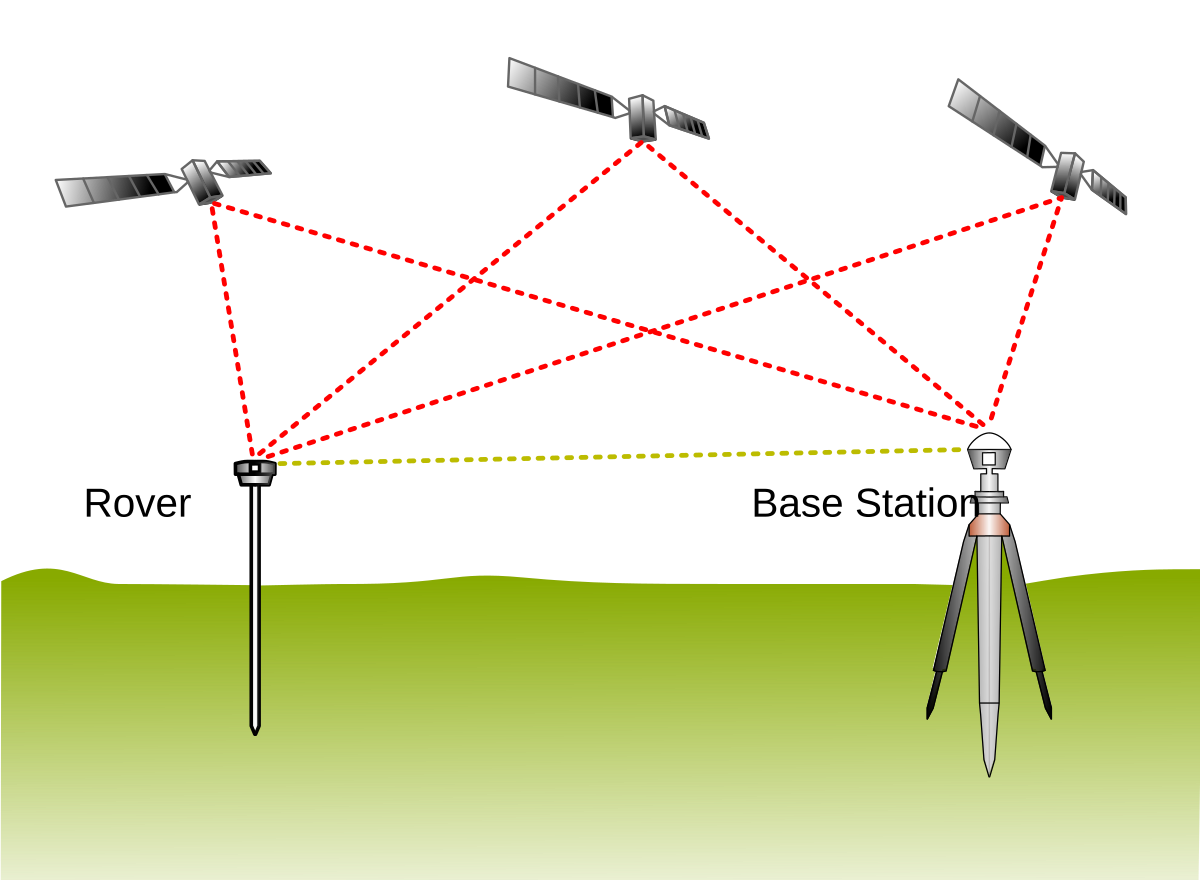
Unlike traditional GPS, RTK GPS uses a fixed base station and a mobile rover unit to provide real-time corrections. This ensures that equipment such as tractors, harvesters, and drones operate with pinpoint accuracy across large fields.
Enhancing Precision Farming
Precision farming relies on accurate data to optimize planting patterns, irrigation, and input application. By integrating RTK GPS into farming equipment, farmers can:
- Plant seeds at exact intervals, reducing wastage and ensuring uniform crop growth.
- Apply fertilizers and pesticides precisely, minimizing environmental impact.
- Monitor field boundaries and contour lines to avoid overlapping or missed areas.
With these capabilities, RTK GPS improves precision farming and yield management by allowing farmers to make data-driven decisions that maximize efficiency and reduce costs.
Improving Yield Management
Yield management in agriculture involves analyzing and predicting crop performance to optimize harvests. RTK GPS contributes to this process by:
- Mapping field variability and identifying areas of low or high productivity.
- Tracking equipment and crop progress with high precision.
- Providing accurate data for variable rate technology (VRT), enabling targeted input application.
The result is a more efficient use of resources and higher overall crop yield. Farmers can adjust their strategies throughout the season, improving both short-term output and long-term soil health.
Conclusion
The integration of RTK GPS into agriculture marks a significant step forward in precision farming and yield management. By delivering real-time, centimeter-level accuracy, this technology allows farmers to optimize planting, irrigation, and input application, ultimately leading to higher efficiency, lower costs, and improved crop yield. As the agricultural sector continues to embrace innovation, RTK GPS will remain a cornerstone technology for modern farming practices.
